

1 December 2025
Which day is Christmas?

Calendar facts and recurring date
Christmas Day is fixed on 25 December in the Gregorian calendar. Key point: The calendar date never changes, while the weekday does shift from year to year. That simple stability makes it easy to mark the holiday well in advance on calendars and in public planning.
Public-holiday status: In many countries 25 December is a national public holiday with offices, schools and many services closed. The evening of 24 December, however, can be culturally important in some regions even when it is not an official day off, so work schedules and family plans may still adapt around that evening.
Local variations and evening celebrations
Where cultures place their main celebrations differs widely. In several Northern European countries the main family gathering tends to take place on the evening of 24 December, while in the United Kingdom and the United States the focus is more commonly on 25 December. Practical consequence: Families often plan key events either on the evening before or on the holiday itself, and some households split activities across both days to accommodate travel or extended guests.
Religious observance and the twelve-day season
Church tradition: For many Western Christian denominations the liturgical celebration of the Nativity is observed on 25 December. Seasonal span: The broader festive season often continues through the Twelve Days of Christmas, running from 25 December to 5 January, with Epiphany commemorated on 6 January. Variations: Some Eastern Orthodox communities follow the Julian calendar and celebrate on 7 January according to the Gregorian calendar.
Why different days matter socially
Practical examples: Family dinners, church services and public events get scheduled differently depending on local custom. Employers, transport providers and hospitality venues may adjust opening hours and services to reflect whether the community focuses on the 24th, the 25th or both.
- Nordic emphasis on 24 December: Main family celebrations often occur in the evening.
- United Kingdom and United States: 25 December is central for public ceremonies and many private gatherings.
- Some Orthodox communities: Celebrations on 7 January reflect a different liturgical calendar.
Clothing and seasonal wear
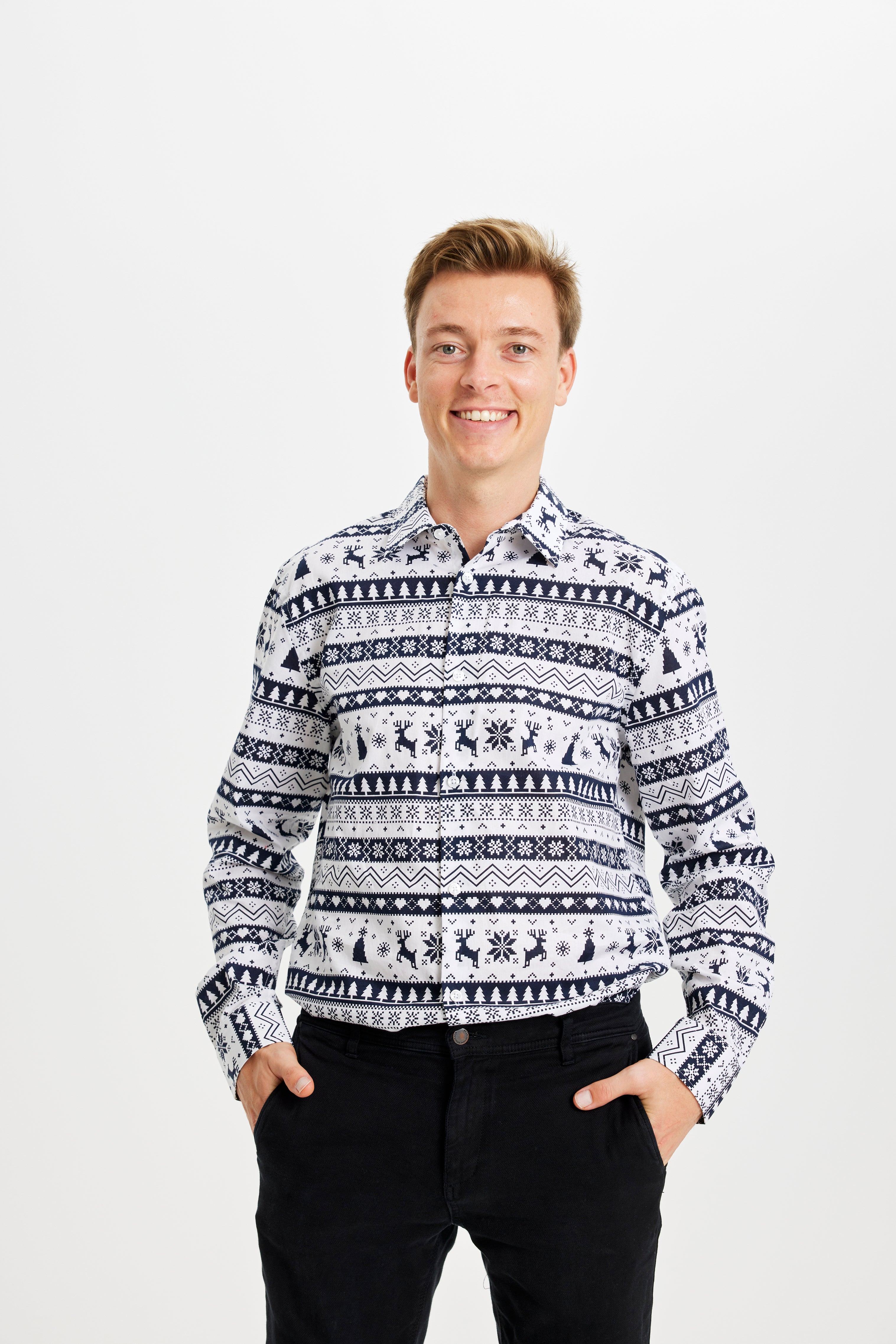
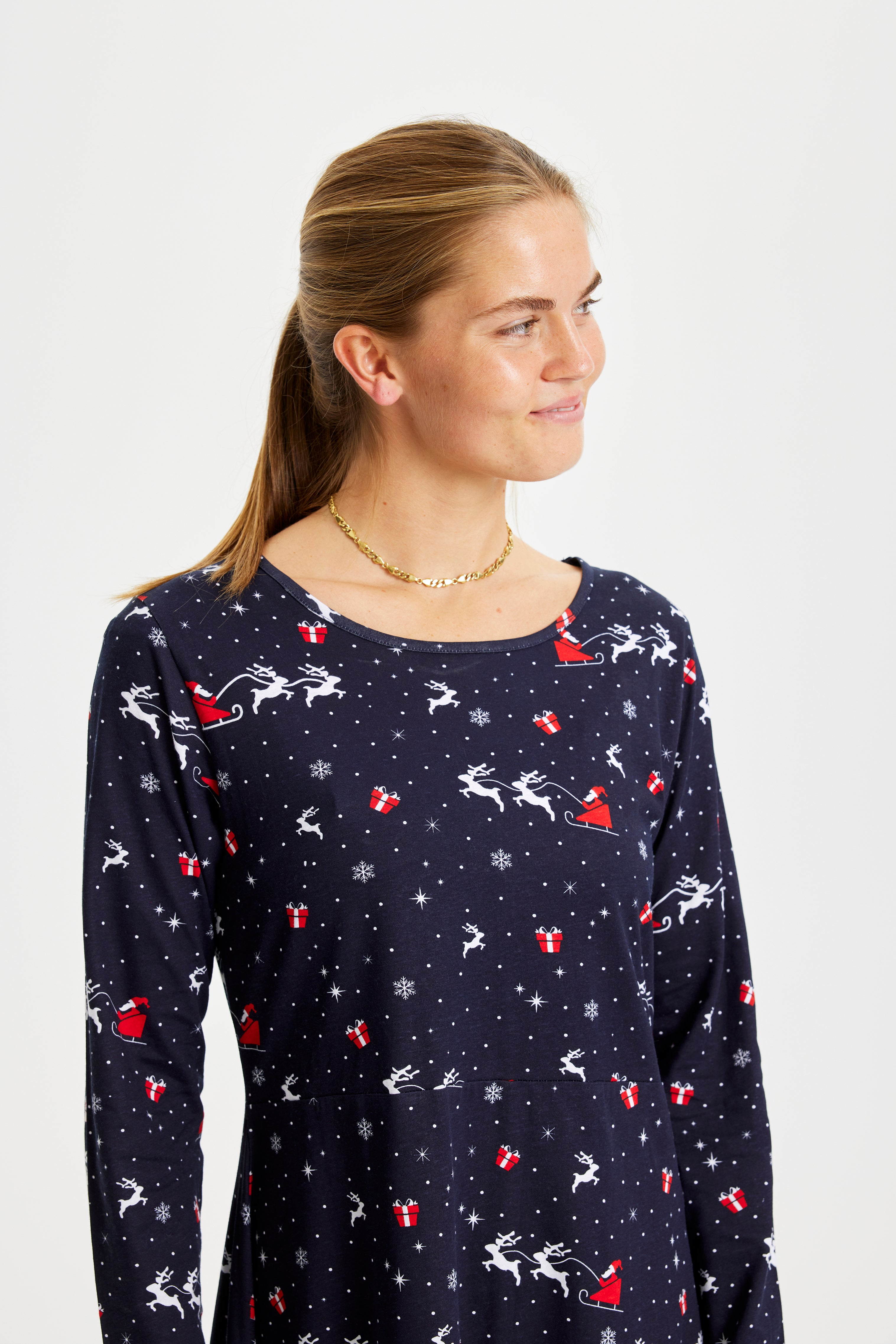
When to wear festive clothes: The Advent period and the immediate holiday window around 24–26 December are the most common times for themed outfits. A Christmas sweater is typical for family dinners, casual daytime visits and relaxed parties, while more formal holiday dress appears at church services and special evening events. For couples and families who coordinate outfits, matching sets or pajama options are popular for photos and relaxed at-home celebrations.
See our selection of christmas sweater options, or browse coordinated picks for womens christmas sweater and mens christmas sweater choices if you plan to match with guests.
Checklist for seasonal clothing: Consider warmth for outdoor moments, the formality of the event, and whether activities are mainly indoors or involve visiting multiple households.
FAQ
Q: Which day is Christmas? A: Christmas Day is 25 December.
Q: Is Christmas always on the same date? A: Yes—25 December on the Gregorian calendar each year; the weekday changes.
Q: Why do some people celebrate on 24 December? A: Many cultures place the main family celebration on Christmas Eve, with evening dinners and gift-giving beginning that day.
Q: Do different churches celebrate Christmas on different days? A: Yes—most Western churches use 25 December, while some Eastern Orthodox churches observe on 7 January according to the Julian calendar.
Q: How long does the Christmas season last? A: Traditionally the Twelve Days of Christmas run from 25 December through 5 January, with Epiphany on 6 January.
Q: When is it common to wear a Christmas sweater? A: During the Advent and Christmas period—especially at family gatherings, holiday parties, and informal celebrations on 24–26 December.
Q: Is Christmas Day a public holiday everywhere? A: No—25 December is a public holiday in many countries, but exact observance and related closures on 24 or 26 December vary by country.
Everyday traditions by date
The three days around Christmas each have their own rhythm and scents, and knowing the common patterns helps with planning and with savouring quiet moments. On 24 December the house often fills with the warm smell of baking and the sharp green scent of fresh pine. Families gather for an evening meal, candles are lit, and a soft hum of Christmas music accompanies the clinking of glasses. In places where Christmas Eve is central, gift exchange and the main family celebration happen that same evening, leaving the following day for rest and slow conversation.
On 25 December the air can feel brighter and more public, as many churches hold services and towns host concerts or community events. The day is a public holiday in many countries, which makes it common for extended family visits and festive lunches to take place then. The sound of laughter, plates being cleared, and the warmth from thick knitwear remind people of shared comfort and the long tradition of midwinter feasts.
On 26 December some communities take a gentler pace. Known in some places as Boxing Day or the Second Day of Christmas, this day is often for visiting relatives, taking walks to enjoy winter light, or simply resting after several days of cooking and celebration. Shops and transport may still run on a holiday schedule in many areas, so planning travel and gatherings ahead of time avoids surprises.
Clothing and seasonal wear
Clothing is part of the experience, and what people choose to wear reflects setting and company. A Christmas sweater is a favourite for cosy evenings at home, the soft warmth of knit touching the skin while you pass plates and unwrap gifts. For daytime visits and public events, casual festive attire blends comfort with a touch of occasion. Formal services and evening dinners call for smarter outfits, layered with a warm coat for outdoor moments.
Checklist for seasonal clothing: Consider warmth for outdoor transitions, match the formality of the event, and choose fabrics that breathe for long gatherings. If you plan coordinated looks for photos or relaxed mornings, matching sets or christmas pajamas are popular choices for at-home comfort without much fuss. For a classic touch at mixed gatherings, a well-made christmas sweater layers easily and keeps the mood cheerful without being over the top.
Sensory notes and small cultural details
Little details shape how the days feel. The crackle of candlelight on 24 December, the scent of citrus and cinnamon from baking, and the distant sound of carols create memory anchors that make each year familiar and new at the same time. In some traditions the evening meal follows recipes passed along through generations, while other households blend old flavours with contemporary favourites. These choices add personal præg to gatherings and help explain why different communities emphasise either the 24th or the 25th.
Local customs also affect timing. In many Nordic homes the 24th evening is the focal point for family celebration, whereas in the United Kingdom and the United States the 25th is the main public holiday. Understanding these patterns helps when inviting guests or planning travel, so people can join the moments that matter most to them.
Suggested compact content blocks
- Dates and roles, one-liners: 24 December — Christmas Eve — Family dinner and evening gift-giving in many places. 25 December — Christmas Day — Public holiday, church services, extended family visits. 26 December — Boxing Day — Rest, visiting relatives, post-holiday events. 6 January — Epiphany — Close of the traditional Twelve Days of Christmas.
- Short timeline for a Danish evening: Afternoon preparations, candlelit dinner, gift-giving, slow conversation, coffee and small cakes.
- Short timeline for a British or American day: Morning church or relaxed unwrapping, midday festive meal, afternoon visits and shared desserts.
Frequently asked questions
Which day is Christmas?
A: Christmas Day is 25 December.
Is Christmas always on the same date?
A: Yes. Christmas falls on 25 December each year in the Gregorian calendar, though the weekday changes.
Why do some people celebrate on 24 December?
A: Many cultures place the main family celebration on Christmas Eve, with evening meals and gatherings beginning that day, which gives the holiday a different daily rhythm.
Do different churches celebrate Christmas on different days?
A: Yes. Most Western churches mark 25 December, while some Eastern Orthodox communities observe on 7 January according to the Julian calendar.
When is it common to wear a Christmas sweater?
A: During Advent and the immediate holiday window around 24–26 December, especially at family dinners, informal gatherings, and relaxed mornings at home.
Also view
15 January 2026
Picture a small family movie night by the tree: soft lights, low conversation and a stack of options for christmas movie recommendatio...