



4 January 2026
Which religions celebrate Christmas?

Not every seasonal custom is a religious observance: when you ask which religions formally mark Christmas, the answer is much narrower than many expect. The festival, in its religious form, belongs mainly to Christianity, though its wider cultural trappings appear across societies.
Quick answer
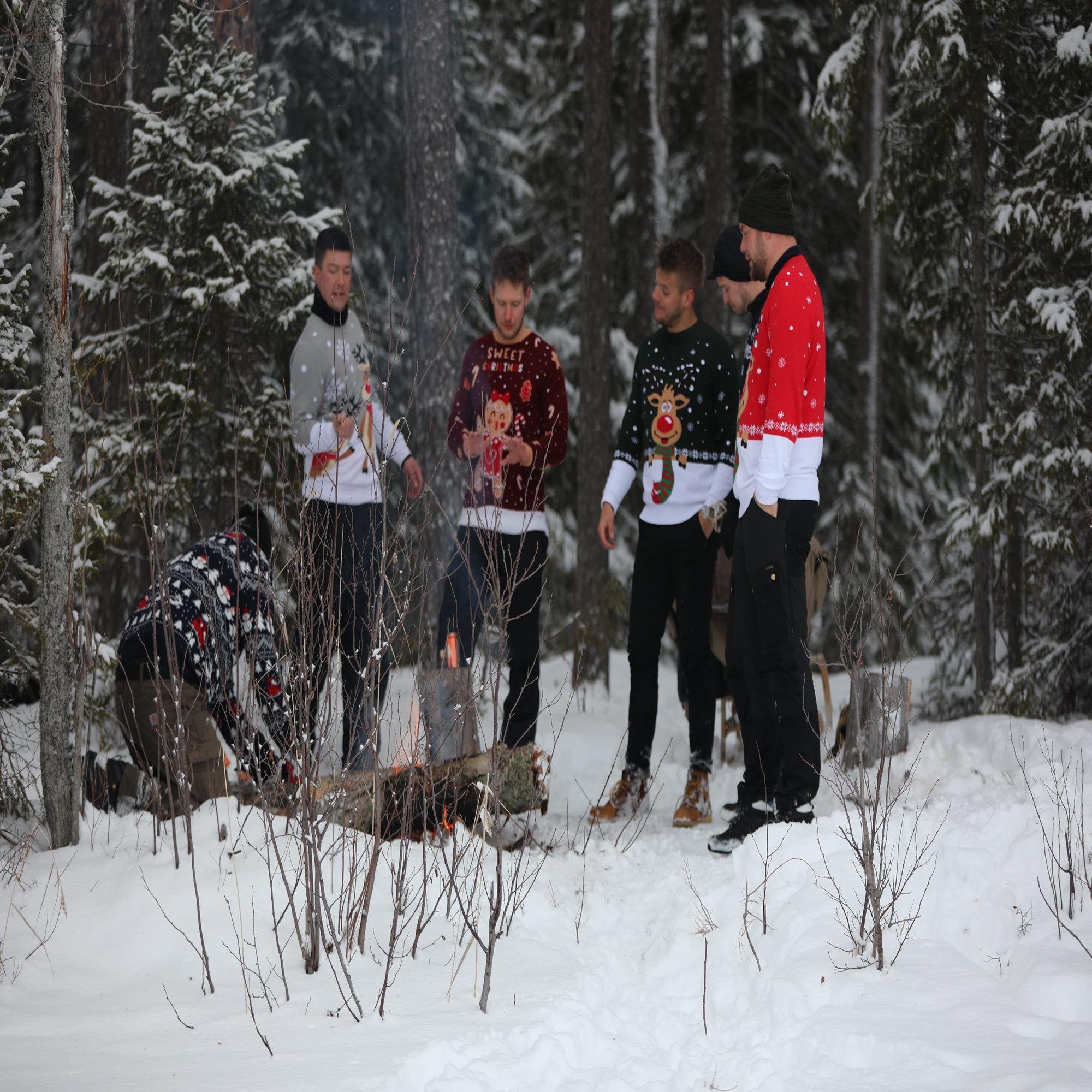
Christmas is principally a Christian religious festival. The primary celebrants are the branches of Christianity: Western churches such as Roman Catholic and most Protestant communions, and Eastern bodies like the Orthodox and Oriental Orthodox churches. If you plan your holiday wardrobe for family services or gatherings, a simple Christmas sweater can bridge religious observance and seasonal fun without overstatement.
Scope and outline
In the next sections you will find a concise overview of which Christian traditions celebrate Christmas, a clear explanation of calendar and date differences, a short note on historical origins tied to earlier winter festivals, and a distinction between religious observance and the broader cultural celebration. This piece keeps the focus on formal liturgical practice rather than secular customs, though many people join both kinds of observance. For casual gatherings, readers often choose playful options like an ugly christmas sweater or coordinating matching christmas pajamas for family photo moments.
One quick fact to keep in mind: some churches celebrate on 25 December while others mark the feast in early January because different liturgical calendars determine the official date.
Which Christian traditions mark the Nativity?
Major branches within Christianity observe the Nativity as a liturgical feast, though practices and dates differ. Western communions such as Roman Catholic and most Protestant churches keep the celebration on 25 December in their church calendars. Many Eastern Orthodox communions follow the older Julian calendar, which presently places the same liturgical date on 7 January of the civil calendar. Oriental Orthodox communities, including the Coptic church, typically observe the Nativity on 7 January, while the Armenian Apostolic Church has a longstanding practice of marking Nativity and Epiphany together in early January.
Dates and calendar differences explained
Church calendars determine the official day for the feast rather than the civil calendar alone. Western churches use the Gregorian calendar, which fixes the Nativity on 25 December. Several Orthodox churches use the Julian calendar for liturgical reckoning, which currently runs thirteen days behind the Gregorian civil calendar and therefore places liturgical 25 December on 7 January. Some Orthodox jurisdictions use a Revised Julian calendar or adopt Gregorian dates for fixed feasts, producing variation even within the same broad tradition. In ordinary social practice, a region may concentrate family celebrations on the evening before the liturgical date, creating familiar habits that do not change the official calendar.
Origins and key timeline points
The setting of a fixed date for the Nativity developed in the early centuries of Christianity and became widespread by the fourth century. Scholars note that the choice of late December intersects with existing seasonal observances in many societies, and the church integrated the new feast into an established cycle of winter festivals. The scriptural basis for the celebration rests on the Gospel narratives that recount the birth of Jesus, which form the theological heart of the feast across denominations.
Liturgical practices and periods of preparation
Worship patterns around the Nativity reflect theological emphasis and liturgical tradition. Western churches commonly observe Advent as a preparatory season and celebrate with Vigil or Midnight Mass services and Christmas Day liturgies. Eastern liturgical practice highlights evening worship, Vespers and the Divine Liturgy, together with particular hymnography and iconography suited to the feast. Several Eastern rites also observe a preceding period of fasting, such as the Nativity Fast, which shapes how communities prepare spiritually for the celebration.
Quick comparative summary
- Roman Catholic and Mainline Protestant (Primary date 25 December). Preparation includes the Advent season and common worship forms are Vigil and Midnight Mass.
- Eastern Orthodox (Most jurisdictions use Julian calendar; celebration falls on 7 January civil date). Liturgical life emphasizes Vespers and the Divine Liturgy, and some churches observe a Nativity Fast.
- Coptic Orthodox (Primary date 7 January). Tradition includes an extended fast before the feast and distinctive liturgical rites.
- Armenian Apostolic Church (Primary observance in early January, historically combining Nativity and Epiphany). The joint celebration reflects a different liturgical calendar and emphasis.
Practical note on seasonal attire for services
Clothing choices for religious services and family gatherings range from formal attire to festive seasonal wear. If you are choosing something that nods to the season without overshadowing liturgical tone, consider options that are tasteful and appropriate for worship. For example, a simple womens christmas sweater and mens christmas sweater can be suitable for informal family events, while a classic christmas dress fits more formal occasions. Where children are present, coordinated outfits such as kids christmas sweater may help create a cohesive look for family photos and community gatherings.
For readers who want a concise reference, this overview shows which Christian traditions mark the Nativity in their liturgical year and how calendar practice and worship forms shape the dates and ceremonies you will encounter in different communities.
Liturgical differences and seasonal traditions
In many churches the way Christmas is observed reflects centuries of liturgical shaping and local habit. Western communions center on Advent as a time of waiting and preparation. Services range from candlelit evening vigils to Midnight Mass followed by the joy of Christmas Day liturgy. In Eastern churches the sequence of Vespers, Divine Liturgy and festal hymnography gives the feast a distinctly communal and sensory character. Think of the weight of incense, the cadence of chant, the glow of icons and the warmth of thick knitwear when congregations gather for long services.
Preparation varies too. Some communities mark a period of fasting before the Nativity, a sober and expectant season that heightens the relief of the feast itself. Other communities emphasize Advent readings, wreaths and quiet candlelight. Both approaches give shape to the feast and to personal reflection within a social setting.
Regional variations in celebration
Local custom often shapes when and how people celebrate in ways that do not change the official liturgical calendar. In Northern Europe family gatherings and shared meals most often center on the evening of 24 December even though the liturgical day is 25 December. In countries where Orthodox churches follow the Julian calendar, the civil date of communal celebration may fall on 7 January. These variations create rich, sensory traditions: the smell of pine in heated rooms, the sound of carols drifting through narrow streets, and the comforting weight of a favourite Christmas sweater at a family table.
Notable exceptions and clarifications
It is important to be precise: celebrating Christmas as a religious feast is principally a Christian phenomenon. Within Christianity there is diversity. Most denominations observe the Nativity, yet some groups historically chose not to mark it as a feast day. Outside Christianity many people still enjoy seasonal customs without the liturgical meaning. That combination of shared culture and distinct religious observance explains why festive elements like feasting, lights and gift-giving can be widespread even where the Nativity is not a church holiday.
Suggested quick reference
- A concise chart for readers: Denomination — Primary liturgical date — Typical worship forms. This helps map the differences at a glance and pairs well with photos of seasonal gatherings and modest attire choices.
When attending services or communal meals, simple choices help keep the focus on company and tradition. Wearing a tasteful Christmas sweater can feel like a small, cozy nod to the season without distracting from the liturgy. After a service a change into soft christmas pajamas keeps the evening relaxed and warm for shared stories and music.
Frequently asked questions
Which religions celebrate Christmas?
Christmas is celebrated as a religious feast primarily within Christianity. Major branches that observe it liturgically include Roman Catholic, many Protestant denominations, Eastern Orthodox and Oriental Orthodox communions.
Why do some churches celebrate on 7 January instead of 25 December?
Different liturgical calendars are the cause. Several Orthodox churches use the Julian calendar for fixed feasts. The thirteen-day difference with the Gregorian civil calendar currently places Julian 25 December on 7 January.
Do all Christian denominations celebrate Christmas?
Most do, but practices vary. Some groups historically did not observe the feast as a church celebration. Observance depends on denominational tradition and local custom.
Where does the date 25 December come from?
The date was fixed in many churches by the fourth century. Historical explanations link the choice to older winter solstice observances and an effort to situate the Nativity within the liturgical year.
Do non-Christians celebrate Christmas?
Many non-Christians participate in cultural aspects of the season such as decorations and communal festivities. These are cultural celebrations rather than observance of the Nativity as a religious feast.
Also view
15 January 2026
Picture a small family movie night by the tree: soft lights, low conversation and a stack of options for christmas movie recommendatio...