



27 November 2025
Why is Christmas called Christmas?

Language, religion and seasonal customs all meet in one simple question: why is Christmas called Christmas? It is a query about words and meaning as much as about why a particular day became central to a wider season of celebration.
What the word means
The modern English name is formed from two elements, Christ and Mass, and is commonly understood to mean Christ’s Mass. In other words, the term points to a liturgical celebration: a Mass held in honour of Christ.
What the name refers to
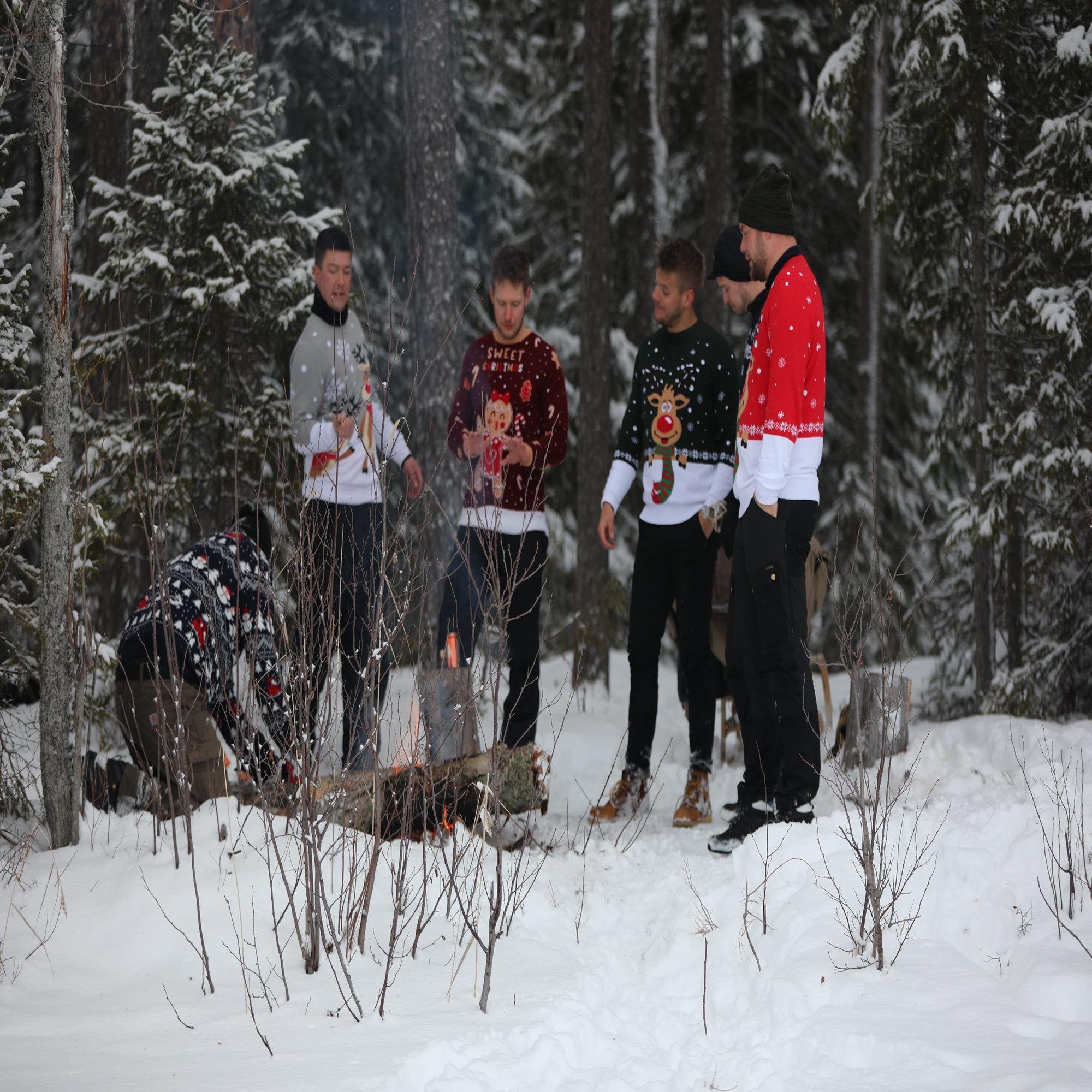
The name specifically denotes a Christian service marking the Nativity, though many related seasonal names and practices exist across different cultures. You will encounter parallel terms such as Yule or Noel in other languages and traditions, and in popular culture the occasion often includes festive clothing and gatherings — from an ugly christmas sweater at an office party to cosy matching Christmas pajamas at home.
What this series will cover
In the next parts we will look at the etymology and earliest uses of the word, outline historical reasons why December 25 became associated with the Nativity, and compare related names and pre-Christian influences. Along the way I will point out common confusions and answer quick FAQs so you can tell the linguistic story clearly to family and friends. If you want to lean into the seasonal wardrobe that often accompanies these conversations, see our selection of Christmas sweater styles or browse suggestions for matching Christmas pajamas to make those family moments feel complete. For a playful option at parties, an ugly christmas sweater remains a popular choice.
Etymology and linguistic roots
Christ originates in the Greek word Christos meaning anointed one, a translation of the Hebrew mashiach often rendered in English as Messiah. Mass comes from the Latin missa, the name given to the Christian liturgical celebration that concludes with dismissal. In Old English the two elements appear combined in forms such as Cristes mæsse, a phrase that gradually gave way to Middle English spellings like Christemasse and eventually the Modern English form Christmas. These shifts reflect normal sound changes and spelling practices more than changes in meaning.
How the religious meaning shaped the name
The term names a specific kind of observance: a Mass in honour of Christ. That focus on liturgy explains why the word highlights the religious service rather than seasonal customs. When medieval calendars listed feast days they often did so by naming the liturgy to be celebrated, so the title Christmas naturally emphasised the act of worship that defined the day for church communities.
Why December 25 became associated with the name
Several explanations sit beside one another rather than a single, decisive origin. By the fourth century the Roman church recorded December 25 as the date for the Nativity in parts of the empire. One influential theory links that date to an earlier calculation that placed the Annunciation on March 25, which when counted nine months forward yields December 25. At the same time late December in the Roman world hosted established festivities such as Saturnalia and the celebration of Sol Invictus, making the end of the year a natural time for public rejoicing and for the Christian calendar to fix a major feast.
Chronology matters: Roman and other pagan observances in late December predate formal Christian celebration on that date, yet adoption of December 25 for the Nativity represents a distinct liturgical choice that gave the feast its enduring name in Christian vocabulary.
Related names and parallel terms
Not every language uses a form derived from Christ. Yule comes from Old Norse jól, a pre-Christian Germanic midwinter festival whose name survives in English to describe the season rather than the liturgical Mass. Noel stems from Old French noël, ultimately from Latin natalis meaning birth, and it emphasises the Nativity rather than the Mass. Many modern languages follow one of these two patterns: some keep a Christ-derived word, others use terms related to birth or to local winter celebrations.
Modern confusion in searches and conversation
When people look up the name online they often encounter a mixture of material: etymological explanations alongside articles about seasonal customs such as Christmas in July or regional Jul traditions. That mix can blur the basic linguistic point: the word Christmas is a Christian compound naming a Mass for Christ, while the timing and popular customs around the season reflect a longer, layered calendar of practices.
Seasonal wardrobe and cultural echoes
Language and liturgy sit beside everyday expressions of the season, including festive dress. References to the holiday in modern life often bring items such as a christmas sweater into the picture, and home gatherings frequently feature coordinated sleepwear like matching christmas pajamas. These garments are cultural echoes of the season rather than explanations of the name itself, but they help explain why the word Christmas remains vivid in everyday speech.
Church calendars and Christmas naming
Church life shaped how people named the year’s holy days. Monasteries and parish churches kept calendars that listed commemorations by the Mass to be celebrated, so a festival naturally picked up a title tied to its liturgy. Over time the label for the Nativity stuck because communities returned each year to a Mass specifically in honour of Christ. The image of candles guttering in a cold stone nave, the scent of pine brought indoors, and the warm pull of a favourite christmas sweater on a winter evening all belong to that long habit of marking the feast through worship and shared customs.
Pagan echoes in the season
The timing of the celebration arrived in a world that already observed the turn of the year with light and feasting. Roman end-of-year observances and northern midwinter customs created a cultural landscape where festivities, gift-giving and communal meals were common. These practices mixed with Christian celebration in many places without changing the name itself. You can still sense that layering today in the sound of carols, the smell of baked goods, and the way lights appear in streets and windows: customs and calendar merged, but the label remained oriented to the liturgical Mass rather than to a single ancestral festival.
Spelling and sound changes through the ages
Words move slowly. What began as Cristes mæsse in Old English reshaped as pronunciation and orthography changed. Middle English spellings smoothed the compound, printers standardised forms, and modern speech shortened and tightened the word further. These shifts reflect the ordinary evolution of language: vowels shift, consonants simplify, and speakers settle on forms that are easy to say. The meaning, however, stayed recognisable to worshippers and laypeople alike.
Common misconceptions
- Misconception: The name is pagan. Correction: The name is Christian in origin, naming a Mass in honour of Christ, even if the date and some customs intersect with older festivals.
- Misconception: The feast has always been on December 25. Correction: Churches have celebrated the Nativity on different dates in some traditions, with January 6 remaining important in other calendars.
- Misconception: All seasonal customs derive from one source. Correction: The season is a patchwork of liturgy, local custom and later popular traditions that together create the familiar holiday atmosphere.
Frequently asked questions
What does the word Christmas literally mean?
It literally means Christ’s Mass, a liturgical service held in honour of Christ.
Where does the word Christ come from?
The word stems from Greek Christos meaning Anointed, which translates the Hebrew mashiach or Messiah.
When did people first write the word in English?
Early English sources show the compound in medieval forms, and by the Middle English period printed and manuscript usage had settled toward the modern shape.
Why is the feast held in late December?
Historical explanations include early church decisions by the fourth century, theological calculations that connected the Annunciation with a birth date nine months later, and the practical fact that late December was already a season of communal celebration in many societies.
Is Yule the same as Christmas?
Yule is a pre-Christian Germanic midwinter festival whose name survives in English. It overlaps seasonally with Christmas but has distinct linguistic and cultural roots.
What does Noel mean and how is it related?
Noel comes from Old French noël and from Latin natalis meaning Birth. It is an alternative word that highlights the Nativity rather than the liturgical Mass.
How do modern customs relate to the name?
Many modern expressions of the season, such as family garments and cosy evenings, echo centuries of practice. Pulling on a soft christmas sweater while the kettle steams and a choir sings outside links everyday feeling to a long cultural history without altering the original meaning of the name.
Also view
15 January 2026
Picture a small family movie night by the tree: soft lights, low conversation and a stack of options for christmas movie recommendatio...