
14 December 2025
Eco friendly Christmas gifts: Thoughtful ideas that reduce waste

Vælg gaver, der skaber minder uden at fylde i skraldespanden eller øge forbruget af engangsprodukter. Når du tænker i eco friendly christmas gifts, handler det om at prioritere genbrug, holdbarhed og praktisk værdi frem for endnu et kortlivet produkt.
Hvad betyder eco friendly christmas gifts?
Begrebet dækker gaver med lavere ressourceforbrug, mindre affald, længere levetid samt ansvarlig indkøb og produktion. Det kan være tekstiler fra genbrug eller økologiske fibre, varer fremstillet af genanvendte materialer eller oplevelser og tjenester, der ikke efterlader en stor materiel fodaftryk. Social ansvarlighed indgår også, når leverandører sikrer ordentlige arbejdsforhold.
Hvorfor det betyder noget denne sæson
Hvert år øges mængden af forbrug og emballage i december. Ved at vælge lavereffektive gaver reducerer du både affald og efterspørgsel på ny produktion. Ofte giver en oplevelse eller et velvalgt praktisk produkt større glæde og bruges oftere end noget, der kun er sjovt én gang.
Gavekategorier du får idéer til
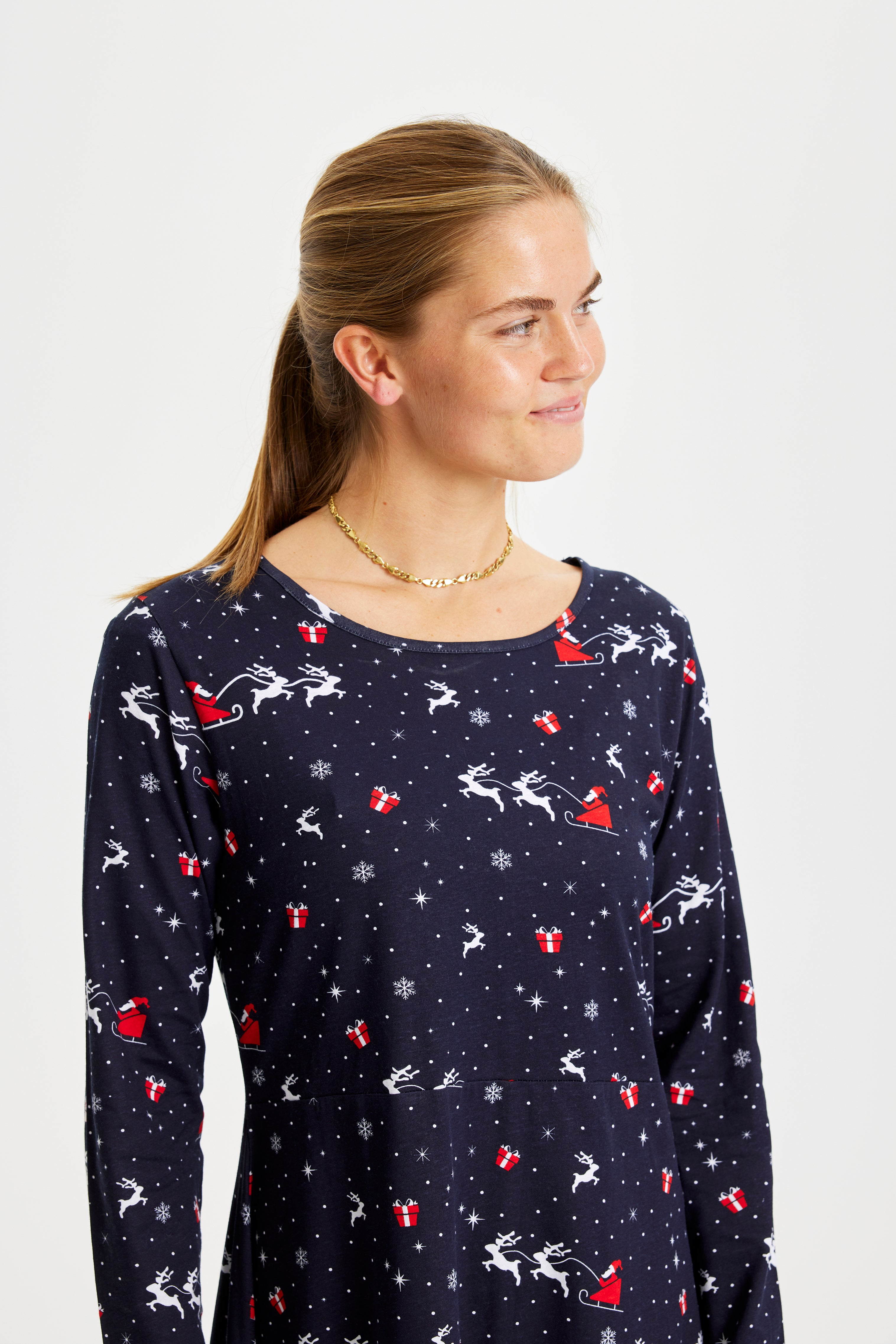
- Holdbare tekstiler og beklædning, herunder mere bæredygtige julesweater-løsninger som sustainable christmas sweater til dem der vil have tidløst design.
- Zero waste hverdagsprodukter og refillables.
- Upcyclede, reparerede eller håndlavede genstande med fortælling og personlighed.
- Oplevelser, kurser, donationer og naturprojekter der skaber minder uden pakkeaffald.
- Secondhand og vintage fund der får produkter i cirkulation igen.
- Firmagaver med lavt klimaaftryk og indpakning med omtanke.
- Mindre affaldsvenlig indpakning og præsentation.
Decision criteria du kan bruge straks omfatter materialevalg og certificeringer, gennemsigtighed i produktionen, produktets holdbarhed og muligheden for reparation eller genanvendelse ved endt brug. Hvis du overvejer matchende sæt til familiens julebilleder, kan et par praktiske valg som kids christmas sweater og voksenstørrelser gøre det nemt at skabe hyggelige øjeblikke uden at ofre miljøet.
Core criteria for eco friendly gifts
When assessing a gift, focus on a few practical signals that point to lower environmental and social impact. Materials and sourcing: Preference goes to organic or recycled inputs and to suppliers who can document their choices. Production transparency: Brands that share where and how items are made make it easier to judge working conditions and emissions. Longevity and utility: Durable design, classic styling and multifunctional items increase the chance a present will be used for years. End of life thinking: Minimal or compostable packaging and take‑back options reduce waste when the product is finally retired.
Upcycling and circular design
Upcycled goods convert discarded materials into new, higher‑value pieces and often come with a story that makes a gift feel personal. Typical categories include homeware, accessories and small electronics cases made from reclaimed textiles or wood. When choosing upcycled items, look for clear information about the origin of the materials and the workmanship, and include the object’s story in a gift note so the recipient understands the environmental benefit and the care that went into it.
Everyday plastic‑free and refillable essentials
Replacing frequent disposables with durable alternatives is one of the easiest ways to cut waste. Think refillable containers, personal care bars, beeswax wraps and sturdy drinkware that the recipient will reach for every day. Practicality matters: the biggest gains come from swaps that match the recipient’s routine, for example a travel mug for a commuter or a refillable soap set for someone who loves simple bathroom upgrades.
Tree planting and nature‑based gifts
Gifts that fund tree planting or habitat restoration can add long‑term value when projects use appropriate species and guarantee protection. Benefits include carbon uptake over decades and local habitat gains. Caveats: meaningful impact requires transparent monitoring, long‑term stewardship and species suited to the site. Use tree projects as a complement to direct emission reductions rather than a full substitute.
Secondhand, repair and reuse
Extending the life of existing products avoids new production and saves embodied resources. Consider curated vintage items, refurbished electronics or vouchers for repair services. Presentation is important: clean and, where relevant, refresh an item before gifting and include a short note about why the piece was chosen. A small complementary accessory can make a secondhand gift feel intentional and celebratory.
Experiences and immaterial gifts
Workshops, memberships, guided activities and donations create memories without adding much physical waste. The best choices are local, low‑travel and tailored to the recipient’s interests. Provide clear information about scheduling and any flexibility so the experience fits into the recipient’s life rather than creating an extra obligation.
B2B and corporate gifting with a low footprint
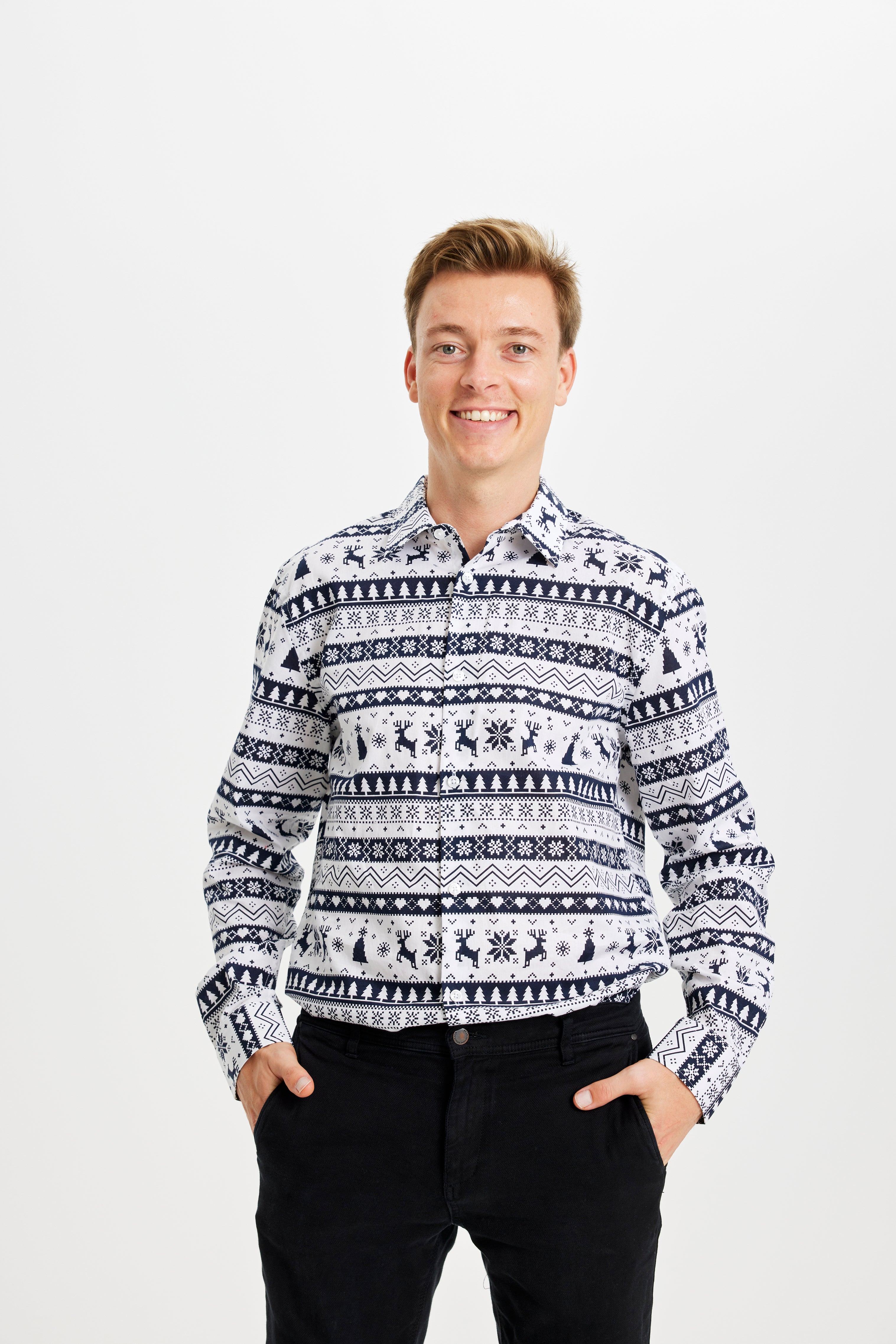
Companies can align gifts with sustainability goals by offering durable, useful items, experiences or contributions to verified environmental projects. A few practical procurement rules help: verify material claims, choose reusable presentation and allow recipients to opt out of physical gifts. For textile gifts such as a thoughtfully chosen Christmas sweater, look for options that prioritise repairability and lifecycle support; a sustainable Christmas sweater can be presented alongside care instructions to encourage long use and proper disposal.
Comparative trade‑offs and quick summary
No single gift type is perfect. Compare production impacts, expected use and end‑of‑life outcomes. As a simple rule of thumb: prioritise gifts that replace frequent disposables, extend the life of existing resources or deliver strong non‑material value. For examples of creative durable apparel and items made from reclaimed inputs, consider pieces from recycled material clothing or explore options for a sustainable Christmas sweater to pair with an experience for a balanced present.
Gift checklist for a greener Christmas
When deciding on an eco friendly christmas gift, pause and imagine the scene: the scent of pine in the living room, warm light on a knitted sleeve, the soft crackle of wrapping paper as someone opens a present. Use that image as a test. Does the gift reduce single use waste or replace an item that would be thrown away? Is the material recycled, organic or responsibly sourced? Can it be repaired, reused or recycled when its life ends? Will the recipient wear or use it often rather than stow it in a closet? Finally, are packaging and delivery options low impact. These simple questions turn good intentions into lasting choices.
Sustainable gift wrapping and presentation
Wrapping is part of the ritual. Choose reusable fabric wrap, uncoated recycled paper or simple kraft with paper string and small sprigs of dried greenery. A short handwritten note about care and materials invites the recipient to treat the gift gently. Practical bundling ideas work well: pair a small refillable item with an experience voucher to reduce material volume. For a warm winter evening, imagine gifting a sustainable Christmas sweater together with a voucher for a local concert; the sweater keeps the memory close and the experience becomes the story you share while sipping gløgg and listening to music.
Price bands and thoughtful examples
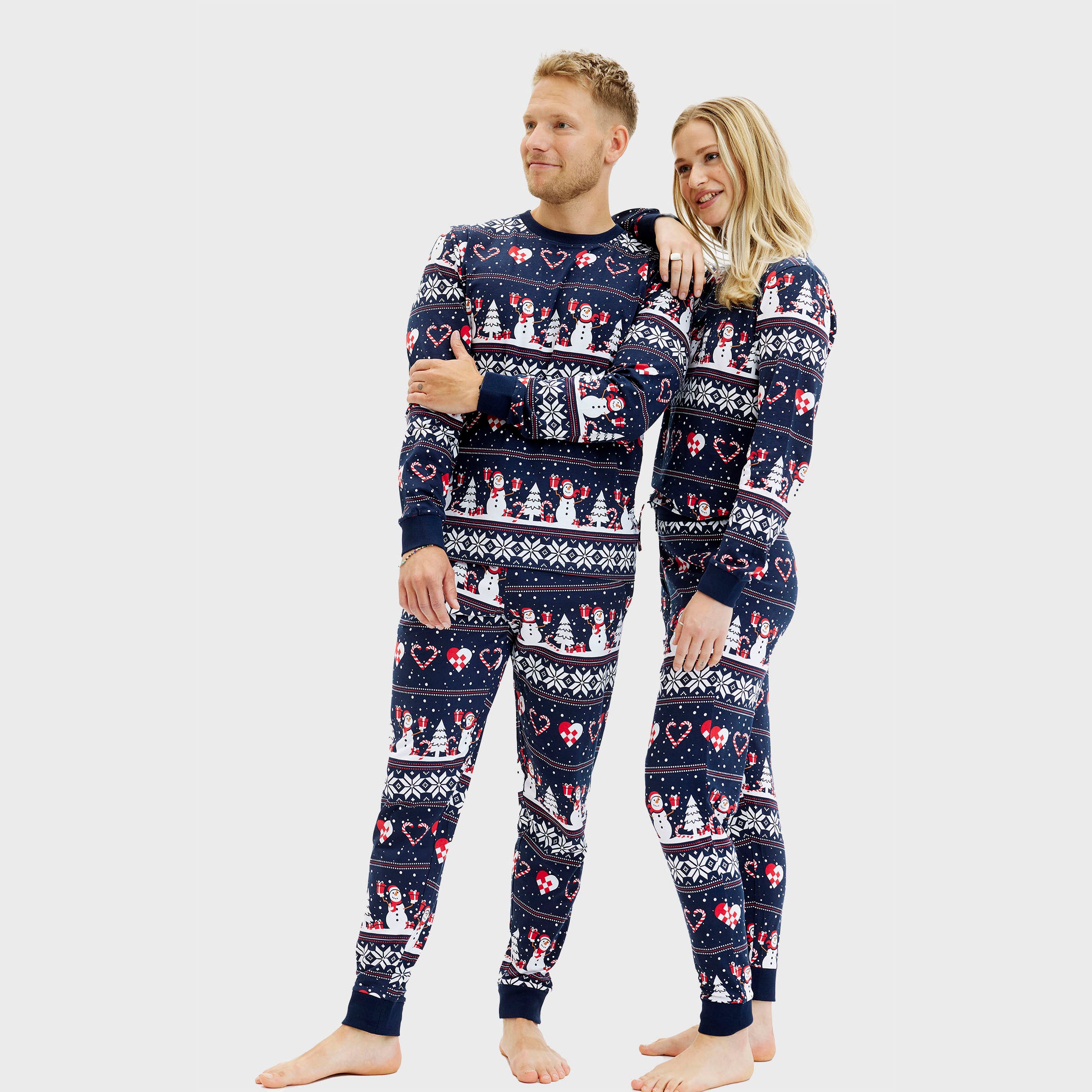
Low budget. Small zero waste kits, personal care bars, a refillable bottle or a loved book bought secondhand feel immediate and useful. Mid range. A quality organic knit or sturdy kitchen tool, a workshop voucher or a curated upcycled accessory rewards use and story. Premium. Bespoke upcycled design pieces, multi-day experience packages or comprehensive sustainable textile sets with repair options become heirloom choices. For cozy indoor evenings, a set of christmas pajamas makes a homey gift that invites lingering by the fire and shared traditions. Consider christmas pajamas as a thoughtful mid range pairing for seasonal treats.
Care and repair to extend every gift
Include clear care instructions to keep textiles and homeware looking good for years. Wash on gentle cycles, air dry when possible and store clean in dry places. A small mending kit or a note with local repair café suggestions encourages small fixes that prevent premature disposal. For garments, advise avoiding excessive heat and using gentle detergents so colours and fibres remain soft and inviting.
Presenting secondhand and experience gifts with warmth
Secondhand items land best when they feel intentional. Clean and, if needed, refresh a vintage piece, include a story about where it came from and add a small new accessory to make the moment celebratory. For experiences, give clear scheduling flexibility and an option to exchange dates. When you hand over a gift, the atmosphere helps: imagine the receiver pulling on a comfortable Christmas sweater while you explain why you chose that particular memory together. If you want a garment with a lower footprint, consider a sustainable christmas sweater that is designed to be worn across many winters.
Practical notes on evaluating sustainability claims
Look for specific, verifiable information: exact material content, production country and clear end of life options rather than vague marketing language. Certifications can be useful signals but check what each covers. Prefer brands that show transparency about manufacturing and take steps to reduce packaging waste or offer repair services.
Frequently asked questions
What certifications matter most for textiles and what do they indicate?
Different labels target different issues. Organic textile certifications reduce pesticide use and improve fibre traceability. Safety labels limit harmful substances. Forest and trade certifications indicate responsible sourcing. Use them as complementary signals rather than a single proof of sustainability.
Are experiential gifts always more eco friendly than physical gifts?
Not always. Experiences often have lower material footprints, but travel‑intensive trips can raise emissions. Local, low‑travel or digital experiences usually deliver the strongest environmental benefit.
Do tree planting gifts fully offset emissions from a product or trip?
Tree planting sequesters carbon over decades but requires long term protection, suitable species and transparent monitoring. Planting complements direct emission reductions rather than replacing them.
How effective are upcycled gifts compared with newly produced eco materials?
Upcycling extends material life and usually lowers demand for virgin resources. The benefit depends on durability and the alternative that was avoided.
How can I give secondhand items without offending the recipient?
Present secondhand gifts cleaned and restored, include a note about the item’s story and offer an exchange option if it does not suit the recipient.
What are practical, low‑waste wrapping materials and how should they be disposed of?
Reusable fabric wrap, uncoated recycled paper, paper string and natural decorations are low waste. Dispose according to local recycling or compost rules; fabric wrap is intended for repeated use.
Which everyday items give the biggest environmental win when swapped to reusables?
Frequently used disposables such as bottled drinks, single use coffee cups, food wraps and personal care containers offer the largest reductions when replaced by durable refillable versions.
How do I assess whether a product’s eco claim is credible?
Check for clear material data, manufacturing location, lifecycle considerations and recognized certifications. Vague claims without specifics are less reliable.
Can corporate gifts be both meaningful and low impact?
Yes. Durable, useful items, experiences or verified environmental contributions can align corporate gifting with sustainability when transparency and recipient choice are prioritised.
Also view

15 January 2026
Picture a small family movie night by the tree: soft lights, low conversation and a stack of options for christmas movie recommendatio...